WordPress powers more than 40% of all websites today, and its dominance shows no signs of slowing down in 2025. From e-commerce platforms to blogs and portfolio sites, businesses rely heavily on WordPress because it’s flexible, affordable, and developer-friendly. That means demand for skilled professionals is growing. But how to become a WordPress developer if you’re starting in 2025? The process is simpler than you think when broken down into practical steps.
This article has everything you need to know, from core skills to building a career path. So read on further to confidently enter the world of WordPress development.
1. Start with the Core Skills
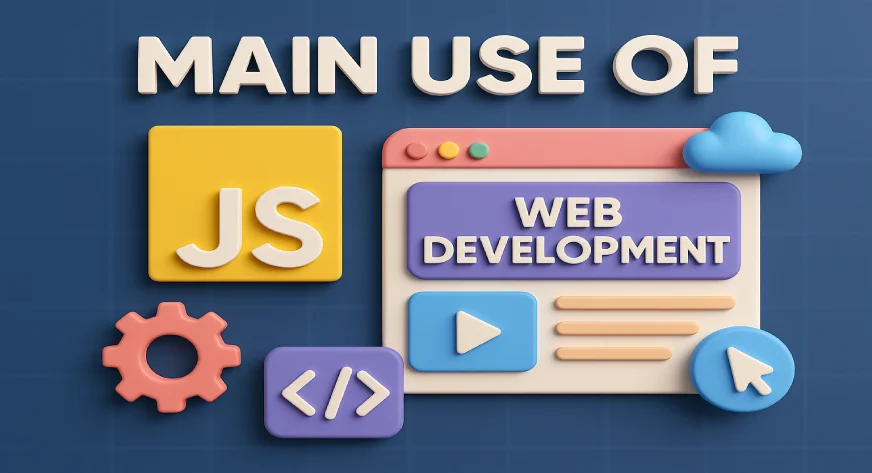
Before calling yourself a WordPress developer, you need a solid grip on the basics of web development. Start with HTML to structure content, then move to CSS for styling, and finally, JavaScript for adding interactivity. Think of this trio as the building blocks of any website. For example, if you’re creating a restaurant site, HTML helps you display the menu, CSS makes it visually appealing, and JavaScript adds features like clickable tabs for different cuisines.
Alongside this, you must learn PHP, which powers most of WordPress’s functions, and MySQL, which handles data like blog posts, user profiles, and product details. Don’t rush, practice by editing simple code snippets or recreating small sections of existing websites. These skills form your foundation, and once you’re confident, WordPress will feel far less intimidating.
2. Get Hands-On With WordPress
The fastest way to understand what WordPress developer skills are is by actually using the platform. Download WordPress, set it up locally, and explore the dashboard. Start small: build a basic blog, experiment with changing themes, and play around with settings like menus, widgets, and plugins.
For instance, install a contact form plugin and customize it for your project. This exercise will help you understand how plugins extend functionality. Similarly, try tweaking a free theme — change colors, layouts, or typography — to see how customization works.
Many new developers also practice by contributing to open-source projects or taking part in WordPress forums. This not only builds experience but also connects you with the global WordPress community. The key is consistency, treat every project, no matter how small, as a learning opportunity.
3. Specialize in Themes and Plugins
Once you’re comfortable with the basics, it’s time to specialize. Themes control how a site looks, while plugins control what a site can do. Mastering both is what truly defines what is WordPress developer expertise.
- Theme Development: Start by creating a child theme. For example, take a free theme like Twenty Twenty-Four and customize its header, footer, and colors. This will teach you how templates, style sheets, and PHP files work together. With practice, you’ll be able to build fully custom themes tailored to clients’ needs.
- Plugin Development: Think about solving a problem. For example, maybe a bakery client wants a “cake builder” tool where customers can pick flavors and toppings. Writing a plugin for this not only adds functionality but also makes you valuable as a developer.
This specialization sets you apart because businesses always look for developers who can create something unique, not just install pre-built solutions.
4. Learn Advanced WordPress Development
To become a professional-level WordPress developer, you’ll need to push your skills further. Learn about REST API, which allows WordPress to connect with other platforms and apps. For instance, you could use it to fetch Instagram posts and display them on a travel blog automatically.
Another important area is Gutenberg block development. Since WordPress is moving toward block-based editing, creating custom blocks (like a testimonial slider or pricing table) makes you future-ready.
Don’t forget performance and security. Study website optimization techniques like caching, image compression, and database management. Similarly, learn security practices such as sanitizing user input and using nonces to prevent hacks. Real-world clients will expect their websites to be fast, safe, and reliable.Finally, explore version control with Git and platforms like GitHub. These are must-haves if you want to collaborate with other developers or work in professional teams.
5. Build a Strong Portfolio
Clients and companies want proof that you can deliver. A portfolio is your golden ticket.
- Showcase your projects on GitHub or WordPress.org.
- Create a professional website that displays your themes, plugins, and client work.
- Offer to build free projects for NGOs or small businesses in exchange for testimonials.
Example: A student in 2025 can build a portfolio site showcasing two custom themes and one plugin. Even if unpaid, it demonstrates capability and initiative, which is exactly what employers and clients look for.
6. Stay Updated With 2025 Trends
The tech world never sits still, and WordPress evolves every year. Staying current helps you remain competitive.
- AI-powered personalization: Many websites now use AI to suggest products or content. Learning integrations can set you apart.
- Headless WordPress: Combining WordPress as a backend with frameworks like React or Vue for the frontend.
- Accessibility standards: Making sites inclusive is not optional anymore—it’s a legal requirement in many countries.
7. Find Work and Grow Your Career
By this stage, you’re ready to turn skills into income. The next step is deciding how you want to work.
- Freelancing: Start on platforms like Fiverr, Upwork, or Toptal. Pitch yourself with a clear portfolio and client-friendly packages.
- Agency jobs: Many design and marketing agencies hire WordPress developers for full-time roles.
- Entrepreneurship: Some developers build and sell their own themes and plugins on marketplaces like ThemeForest.
Also Read, Best Website Frameworks in 2025
What Does a WordPress Developer Do?
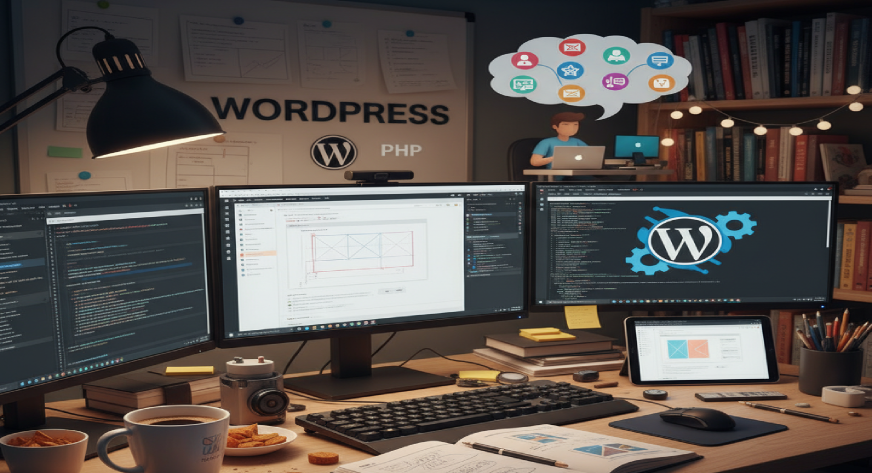
A WordPress developer is someone who builds, customizes, and maintains websites using WordPress. But this role goes far beyond just clicking a few buttons in the dashboard. Here’s what being a WordPress developer really means:
Website Setup and Customization
A developer sets up WordPress for clients or personal projects and customizes it based on requirements. For example, an online clothing store may need a stylish homepage, product filters, and a smooth checkout process. The developer ensures everything looks and functions perfectly.
Theme Development and Tweaks
WordPress developers design or modify themes to give a unique look to websites. Some clients may want minimal, clean designs, while others may need vibrant, creative layouts. Developers adjust code, templates, and styling to make a site match the brand’s identity.
Plugin Development and Integration
Plugins are the backbone of added functionality. A WordPress developer may create custom plugins (say, a booking system for a spa) or integrate existing ones like WooCommerce for eCommerce, Yoast for SEO, or Contact Form 7 for forms.
Performance and Security
Websites must load fast and stay secure. Developers optimize images, enable caching, and follow coding best practices to speed things up. They also secure websites by keeping themes and plugins updated, using strong authentication, and preventing vulnerabilities like SQL injections.
Maintenance and Troubleshooting
A big part of the job is ongoing maintenance. If a plugin breaks after an update or a website crashes, the developer steps in to fix issues. They act like the “doctor” of WordPress websites, keeping everything healthy and running smoothly.
Client Collaboration
Beyond technical work, developers often collaborate with clients, designers, and marketers. For example, they may work with a designer who creates mockups and then turn those designs into a fully functional WordPress theme.
Also Read, What Are The Best SEO Plugins For WordPress?
Final Thoughts
The path to become a WordPress developer in 2025 is straightforward: learn core web skills, practice with WordPress, specialize in themes and plugins, master advanced features, and build a strong portfolio. Combine that with staying updated on trends and continuously working on real projects, and you’ll have everything you need for a rewarding career. With consistency and curiosity, WordPress development can open doors to freelancing, agency work, or even building your own digital products.
If you’re a business looking to grow online, IT Solutions by Webworks Co. provides the support you need. From creating powerful websites to offering ongoing technical solutions, the team focuses on building systems that are practical, reliable, and tailored to your goals. It’s about simplifying technology so you can focus on what matters most, your business.